Struggling to build lasting customer relationships? Here is how CRM implementation can help
Are you finding it challenging to nurture customer relationships while managing your projects effectively?
Integrating the best Customer Relationship Management (CRM) into your business can be the game-changer you need. In this blog, we explore CRM features for effective customer management, how CRM not only enhances customer interactions but also streamlines project management, ensuring that your team stays organised and focused on delivering exceptional service.
Discover the benefits of CRM for small and medium-sized enterprises (SMEs) and learn practical steps on how to implement CRM in a small business seamlessly into your organisation.
Key Differences between Spreadsheets and CRM in Customer Relationship Management
| Spreadsheets & Manual Methods | CRM |
|---|
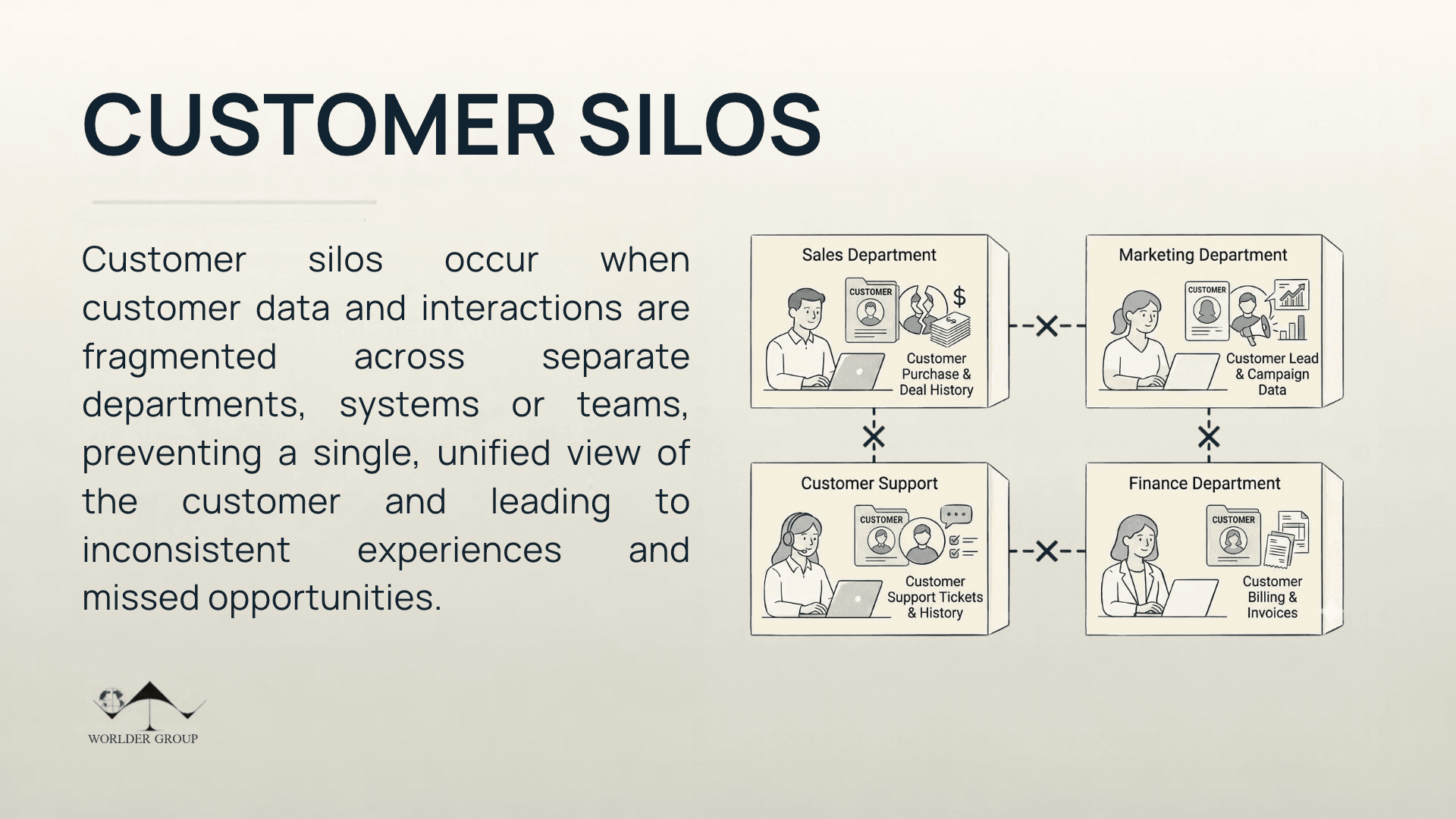
| Data is often scattered across multiple sheets, making it difficult to maintain a single source of truth. This can lead to inconsistencies and errors as different team members may work on outdated versions. | Centralises all customer data in one platform, providing a comprehensive view of interactions and history. This ensures that all team members have access to the most accurate and up-to-date information, enhancing collaboration and decision-making. |
| Require manual data entry and updates, which can be time-consuming and prone to human error. Tasks like follow-ups or reporting must be done manually, leading to inefficiencies. | Automates repetitive tasks such as data entry, follow-up reminders and report generation. This not only saves time but also reduces the chance of errors, allowing teams to focus on building relationships rather than administrative tasks. |
| Offer limited analytical capabilities, requiring users to perform manual calculations and create reports from scratch. This can be cumbersome and may not provide deep insights into customer behaviour. | Provides built-in analytics tools that automatically generate reports and insights based on customer data. This enables businesses to quickly assess performance, identify trends and make informed decisions without extensive manual effort. |
What is CRM?
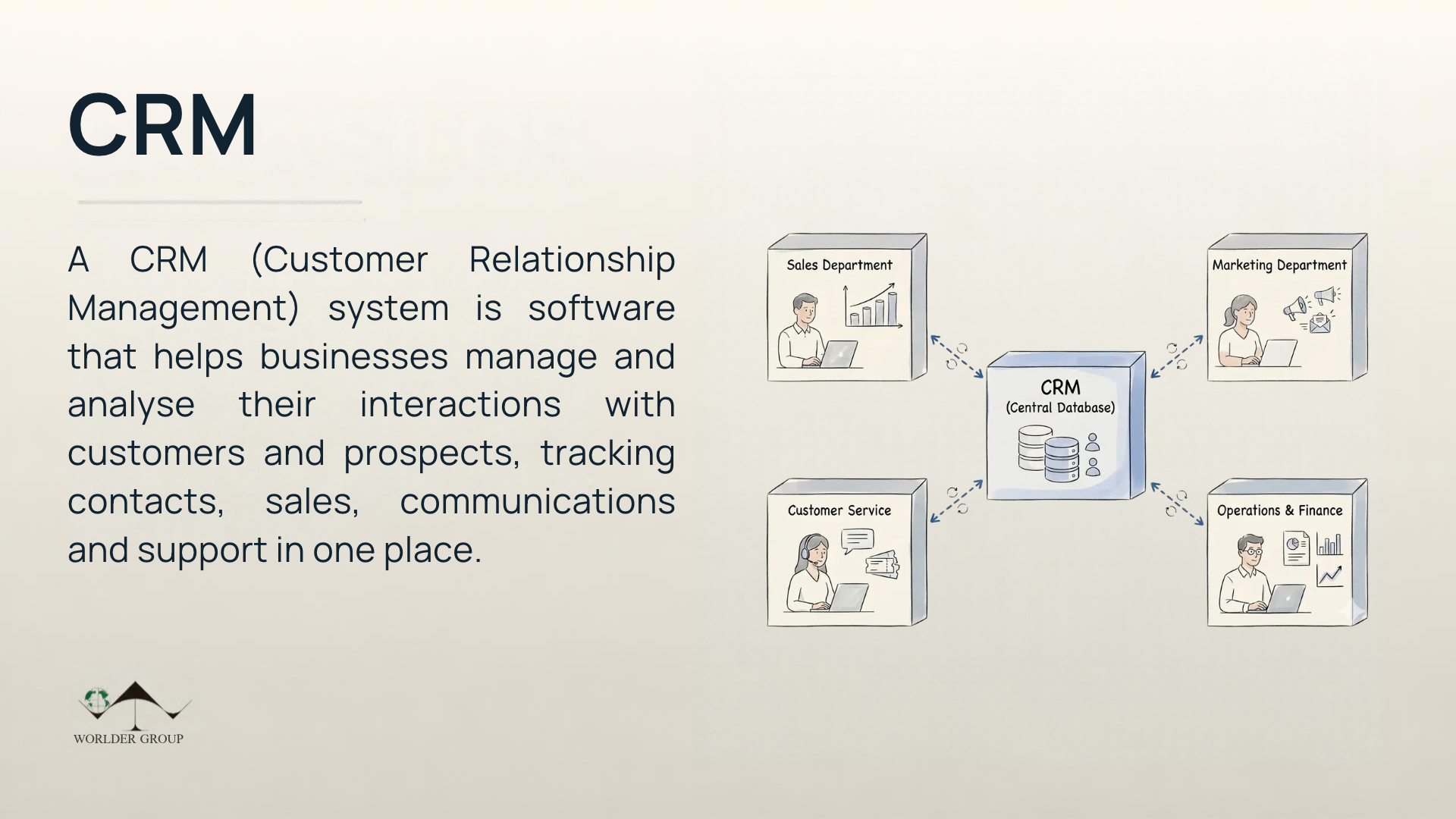
Customer Relationship Management (CRM) is a business strategy supported by technology that helps organisations manage and analyse customer interactions throughout their lifecycle. Its primary aim is to improve customer relationships, boost retention and drive business growth by providing a centralised view of customer data across various touchpoints.
The term "CRM" gained prominence in the 1990s, with Tom Siebel of Siebel Systems playing a pivotal role in shaping modern CRM tools. Today, CRM systems are indispensable for businesses of all sizes, helping them deliver personalised experiences and streamline operations.
What are the Benefits of Implementing CRM?
Implementing a Customer Relationship Management (CRM) system can bring numerous advantages to businesses, particularly for small and medium-sized enterprises (SMEs).
1. Enhanced Customer Service
CRM systems centralise customer information, allowing businesses to access comprehensive data about their clients. This enables better understanding of customer needs and preferences, leading to improved service and satisfaction.
2. Increased Sales
By streamlining the sales process and providing insights into customer behaviour, CRMs help sales teams close deals more efficiently. They facilitate quicker responses to inquiries and allow for targeted marketing efforts, ultimately driving higher sales.
3. Improved Customer Retention
CRM systems enable businesses to track customer interactions and identify potential issues before they escalate. By maintaining strong relationships and addressing concerns proactively, companies can enhance customer loyalty and reduce churn rates.
4. Better Data Analysis
CRMs provide robust analytics tools that help businesses gain insights into customer trends and behaviours. This data-driven approach allows organisations to make informed decisions, optimise marketing strategies and improve overall performance.
5. Higher Productivity
Automating routine tasks such as data entry and follow-ups frees up employees to focus on more strategic activities. This leads to increased efficiency and productivity across teams.
6. Streamlined Communication
With all customer interactions documented in one place, team members can collaborate more effectively. This ensures that everyone is on the same page regarding customer needs and communications.
7. Targeted Marketing Efforts
CRM systems allow businesses to segment their customers based on various criteria, enabling more personalised marketing campaigns. This tailored approach increases the likelihood of engagement and conversion.
By leveraging these benefits, SMEs can enhance their customer relationships, streamline operations and ultimately drive growth in a competitive marketplace.
What are the Best Practices of Implementing CRM?
Here are the best practices for using CRM software:
1. Define Clear Objectives and Goals
Establish specific, measurable goals for your CRM implementation. This helps guide the usage of the system and ensures that all team members are aligned towards common objectives, such as improving customer satisfaction or increasing sales.
2. Ensure Data Quality and Integrity
Maintain accurate and up-to-date customer data within the CRM. Regular audits and data cleansing processes are essential to avoid errors that can lead to poor decision-making and missed opportunities.
3. Provide Comprehensive Training
Invest in thorough training for all users to ensure they understand how to effectively utilise the CRM system. Ongoing training sessions help keep staff updated on new features and best practices, leading to better adoption rates.
4. Automate Routine Tasks
Use automation features within the CRM to handle repetitive tasks such as follow-ups and data entry. This increases efficiency and allows your team to focus on more strategic activities that require human intervention.
5. Leverage CRM Analytics
Utilise the analytical capabilities of your CRM to gain insights into customer behaviour, sales trends and campaign effectiveness. Data-driven decisions can significantly enhance your marketing strategies and overall business performance.
What are the Challenges of Implementing CRM?
1. Poor User Adoption
A common obstacle is employees resisting the new system due to unfamiliarity or fear of change. Without proper training and incentives, adoption rates can be low. To address this, organisations should provide tailored training sessions, ongoing support and clear demonstrations of how CRM simplifies daily tasks.
2. Data Quality Issues
Inaccurate or scattered data can hinder CRM effectiveness. Duplicate records, outdated information or inconsistent formats make it difficult to leverage the system fully. Regular data audits, validation rules and data enrichment tools can help ensure clean and reliable customer information.
3. Cost and Resource Constraints
CRM implementation often requires significant investment in software, training and ongoing maintenance. SMEs may struggle with limited budgets and resources. Choosing cost-effective solutions tailored to business needs and automating processes can alleviate this challenge.
4. Integration Challenges
Many businesses rely on various tools for operations and integrating these with a CRM can be complex. Selecting a CRM that offers seamless integration capabilities is essential to streamline workflows.
5. Absence of Clear Goals
According to Sage Partner, more than 50% of CRM implementations fail due to undefined objectives. Without clear goals, businesses risk losing focus during implementation. Setting measurable targets and aligning organisational expectations ensures a structured approach to success.
By addressing these challenges proactively through planning, stakeholder involvement and strategic execution, organisations can maximise the benefits of their CRM systems while minimising risks.
How to Choose the Right CRM?
1. Identify Your Business Goals and Needs
Start by assessing your specific requirements. Consider what problems you aim to solve with a CRM, such as improving customer satisfaction or streamlining sales processes. Make a list of essential features like contact management, lead tracking and reporting capabilities that align with your business objectives.
2. Scalability and Flexibility
Choose a CRM that can grow with your business. As your organisation expands, your CRM needs may evolve. Look for solutions that offer flexible pricing plans and customisation options to accommodate future growth without disruption.
3. Integration Capabilities
Ensure the CRM can seamlessly integrate with your existing tools and systems, such as email clients, marketing platforms or accounting software. This integration will streamline workflows and eliminate manual data entry, enhancing overall efficiency.
4. User-Friendliness
A user-friendly interface is essential for quick adoption across your team. Opt for a CRM that is intuitive and easy to navigate, minimising the learning curve for users. This will help ensure that your team fully utilises the system's features.
5. Security and Data Privacy
Data security should be a top priority when selecting a CRM. Investigate the security measures offered by the vendor, including encryption and user access controls, to ensure compliance with regulations like GDPR or CCPA.
How Have AI-Driven Operations Transformed CRM?
1. Automated Data Entry and Task Management
AI reduces the need for manual data entry by automatically capturing and organising customer data from various sources, such as emails and interactions. This not only ensures accuracy but also frees up time for teams to focus on higher-value activities, improving overall efficiency.
2. Enhanced Personalisation
By analysing vast amounts of customer data, AI-powered CRMs can deliver highly personalised experiences. They consider factors like purchase history and browsing behaviour to tailor marketing campaigns and product recommendations, thereby increasing customer satisfaction and loyalty.
3. Predictive Analytics
AI enhances CRM capabilities through predictive analytics, allowing businesses to anticipate customer needs and behaviours. This enables proactive engagement strategies, such as targeted promotions for customers who may be at risk of churning, ultimately improving retention rates.
4. Improved Customer Journey Mapping
AI tracks customer interactions across multiple channels, providing insights into the customer journey. By identifying key touchpoints and potential drop-off areas, businesses can make informed adjustments to enhance engagement and satisfaction.
5. Automated Customer Support
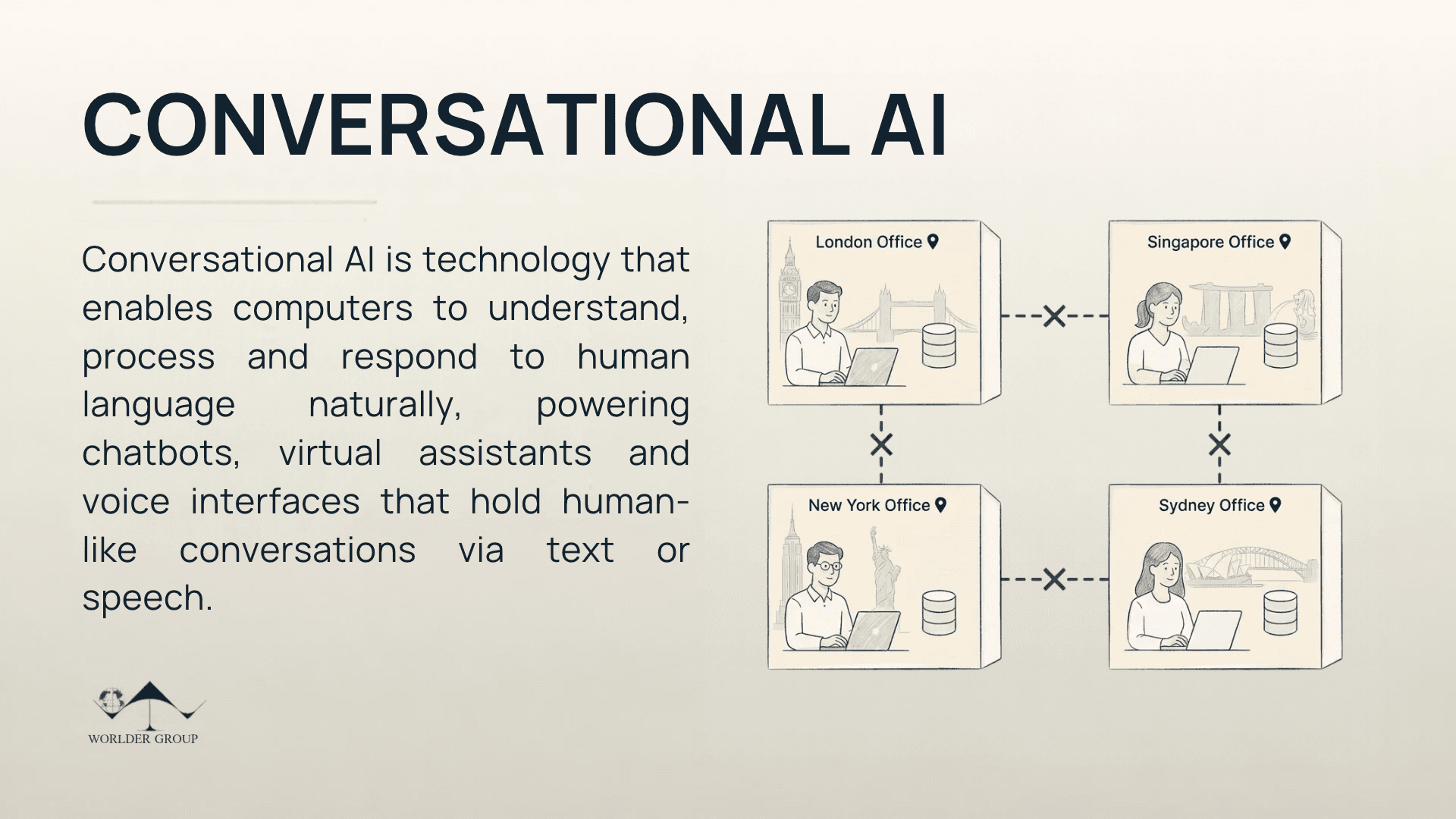
AI-driven chatbots and virtual assistants automate routine customer interactions, allowing human agents to handle more complex queries . This not only improves response times but also enhances the overall customer experience.
Want more insights on RevOps and customer management? Subscribe to our newsletter to get expert tips straight to your inbox!
Read more about how BigOps and CSF &KPI can help businesses like yours increase efficiency and drive revenue growth.