Could Customer Success Operations (CSOps) Be the Key to Happier, More Loyal Clients?
Many companies pour resources into winning new clients, but retaining and growing existing accounts often drives the greatest returns. Yet, without clear processes and integrated data, even your most promising customers can slip through the cracks or worse, drain resources without delivering real value. If your business is seeing strong sign‑ups but stagnant renewals and upsells, the problem may not be sales; it could be a lack of operational visibility and consistency in how you support every customer.
This is where Customer Success Operations (CSOps) steps in. By building the processes, tools and data infrastructure that underpin your Customer Success team, CSOps ensures every client receives timely guidance, proactive outreach and the metrics‑driven insights that keep them engaged and growing.
In this blog, we’ll explain what CSOps is, how it works and the tangible benefits it delivers. You’ll discover the common challenges of implementing CSOps, the best practices to follow and how AI‑driven operations are taking customer success to the next level.
| CSOps | Customer Success Management |
|---|
| Operational Backbone: Builds and maintains processes, tools and data pipelines. | Relationship Focussed: Manages day‑to‑day customer interactions. |
| Data & Automation: Relies on integrated data and automated workflows. | High‑Touch Service: Relies on personal outreach and manual interventions. |
| Scale & Consistency: Ensures every account follows standardised playbooks. | Custom Approach: Tailors support based on individual CSM style. |
| Continuous Optimisation: Uses analytics and AI to refine processes over time. | Reactive Management: Responds to issues and requests as they arise. |
What Are Customer Success Operations (CSOps)?
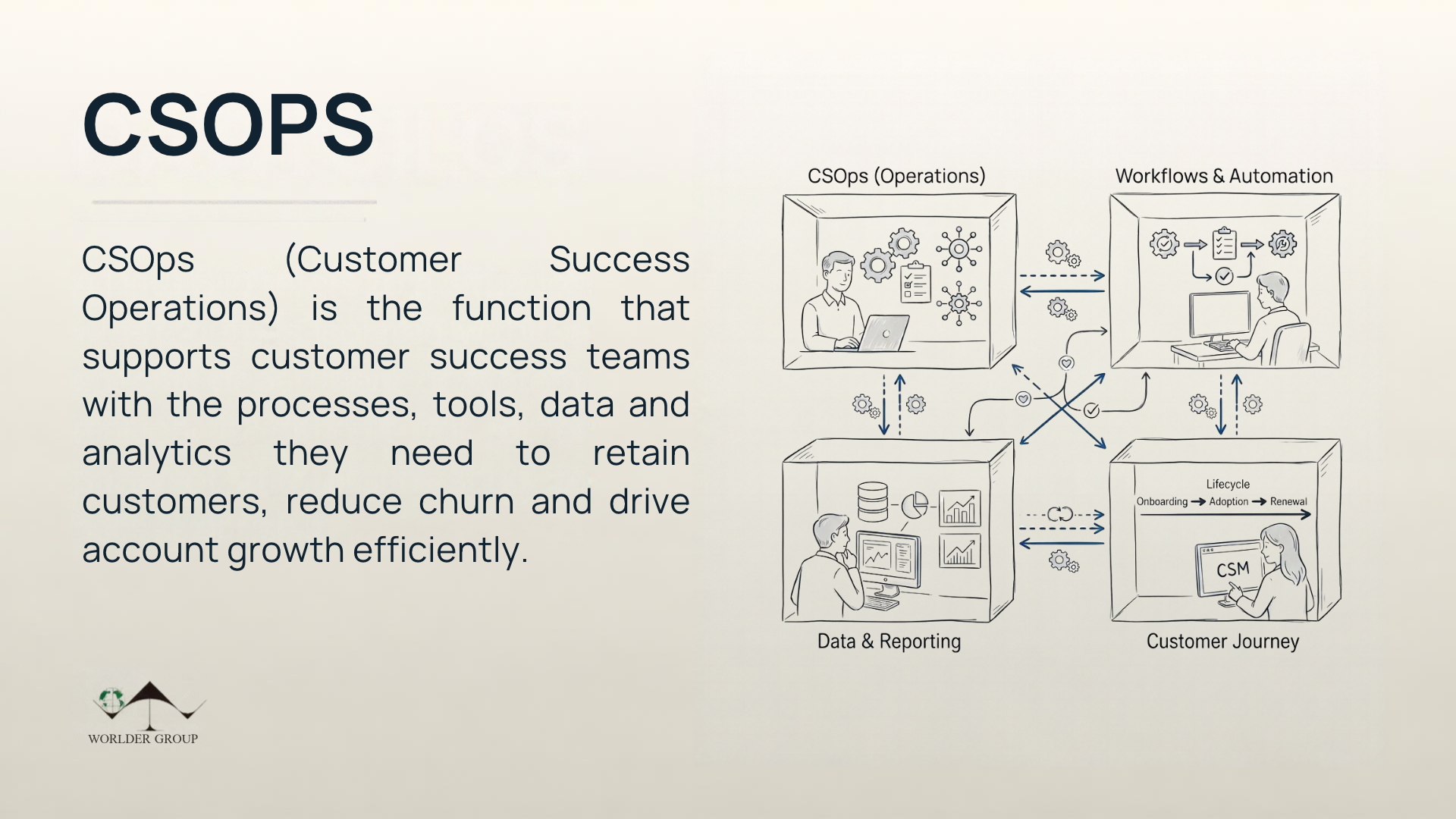
Customer Success Operations (CSOps) is the function that helps customer success teams run efficiently and at scale. Think of it as the operational backbone behind the team responsible for ensuring customer satisfaction and retention.
Where traditional operations focus on logistics and infrastructure, CSOps specifically supports the workflows, tools, data and reporting that customer success managers (CSMs) rely on. It’s about building systems that allow teams to proactively support customers, track engagement and measure outcomes.
In short, CSOps ensures that the customer journey is smooth, consistent and aligned with business goals, from onboarding and product adoption all the way to renewals and expansions.
How Does CSOps Work?
Customer Success Operations (CSOps) is often described as the "engine room" behind a high-performing customer success team. While customer success managers (CSMs) are out front engaging with customers, it’s CSOps that ensures everything runs smoothly behind the scenes. It builds the internal systems, provides data and maintains the tools that help CSMs do their jobs effectively and consistently.
Here’s a closer look at the core responsibilities of a CSOps Manager or specialist:
-
Process creation and refinement: Developing repeatable workflows to improve team efficiency.
-
Tool management: Implementing and optimising platforms like CRMs, ticketing systems and customer data tools.
-
Reporting and analytics: Tracking churn, renewals, customer health scores and other key metrics.
-
Cross-functional alignment: Bridging gaps between customer success, product, marketing and sales teams.
What Are the Benefits of CSOps?
1. Boosts Customer Retention Through Proactive Insights
Customer Success Operations play a critical role in tracking and analysing customer health scores, usage patterns and engagement signals. By identifying early signs of dissatisfaction or disengagement, CSOps enables teams to take timely action such as scheduling check-ins or offering support, to prevent churn. This data-driven, proactive approach helps strengthen relationships and significantly increases customer retention over time.
2. Improves Efficiency by Streamlining Internal Processes
CSOps automates repetitive and manual workflows such as data entry, customer segmentation and reporting, allowing Customer Success Managers (CSMs) to dedicate more time to strategic, customer-facing activities. With standardised playbooks and smoother handoffs across teams, organisations can operate more efficiently and ensure a consistent experience at every stage of the customer journey.
3. Enables Personalised and Scalable Engagement
With centralised data and actionable insights, CSOps empowers CSMs to deliver tailored experiences that resonate with individual customer needs. Whether it’s sending relevant resources, suggesting product features, or aligning success plans to business goals, teams can foster deeper engagement and build stronger, more meaningful connections that drive long-term loyalty.
4. Supports Revenue Growth Through Better Customer Outcomes
When customers are consistently supported and see measurable value from a product or service, they are more likely to renew subscriptions, expand usage across departments and advocate for the brand. CSOps helps track these success indicators and ensures that customers stay on the path to value, turning satisfaction into sustained growth opportunities for the business.
What Are the Challenges of Implementing CSOps?
1. Insufficient Resources and Organisational Alignment
A recurring challenge for CSOps teams is operating within constrained budgets and limited headcount. Whether due to startup environments, cost-cutting measures, or post-merger restructuring, resource scarcity often restricts the ability to scale or optimise customer success processes. CSOps functions may find themselves unable to invest in critical tools, automate workflows, or support robust onboarding and renewal strategies. Additionally, misalignment across departments such as leadership undervaluing customer success or unclear performance metrics, further limits the potential of CSOps to influence long-term business outcomes.
2. Fragmented Cross-Functional Collaboration
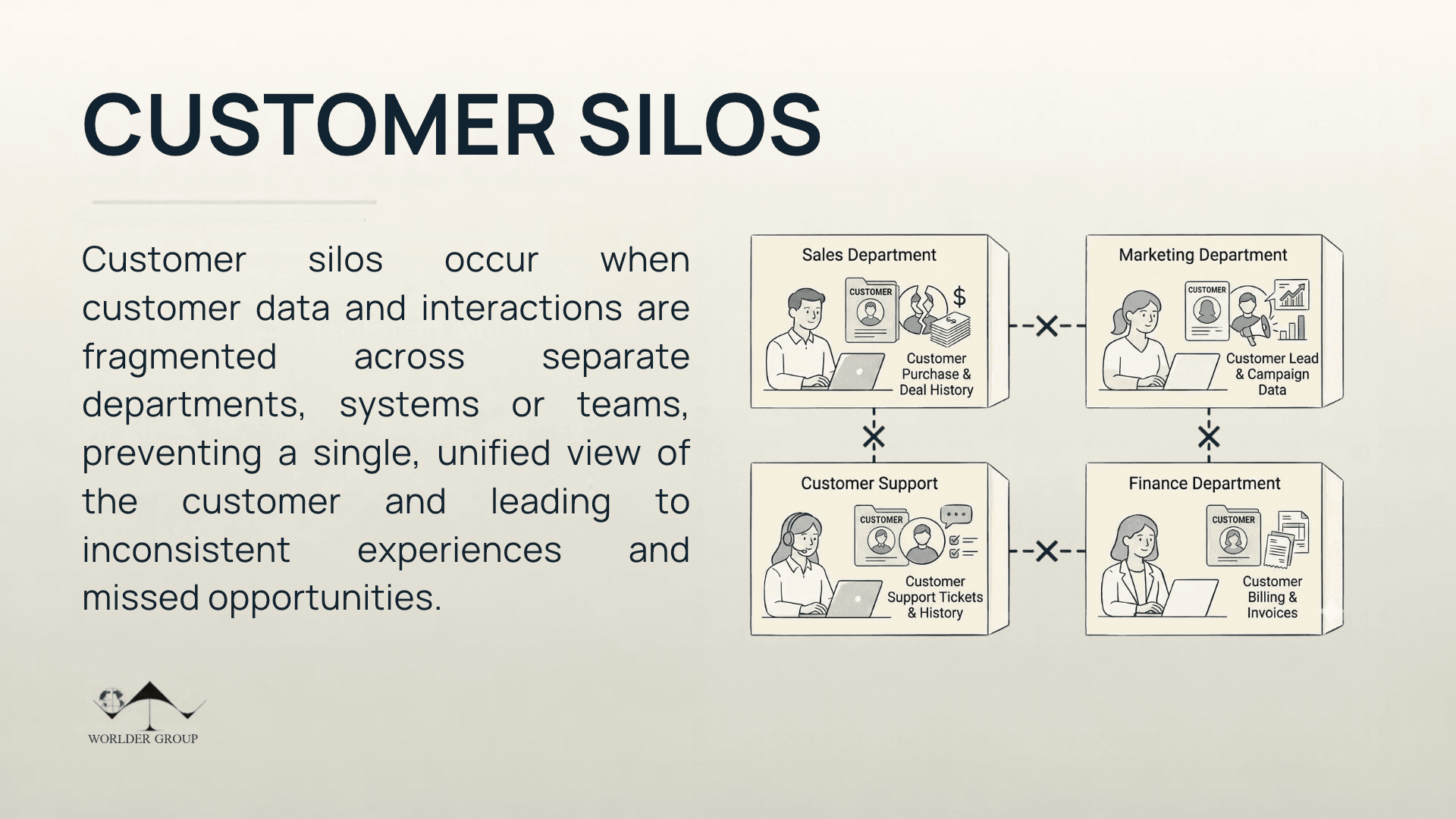
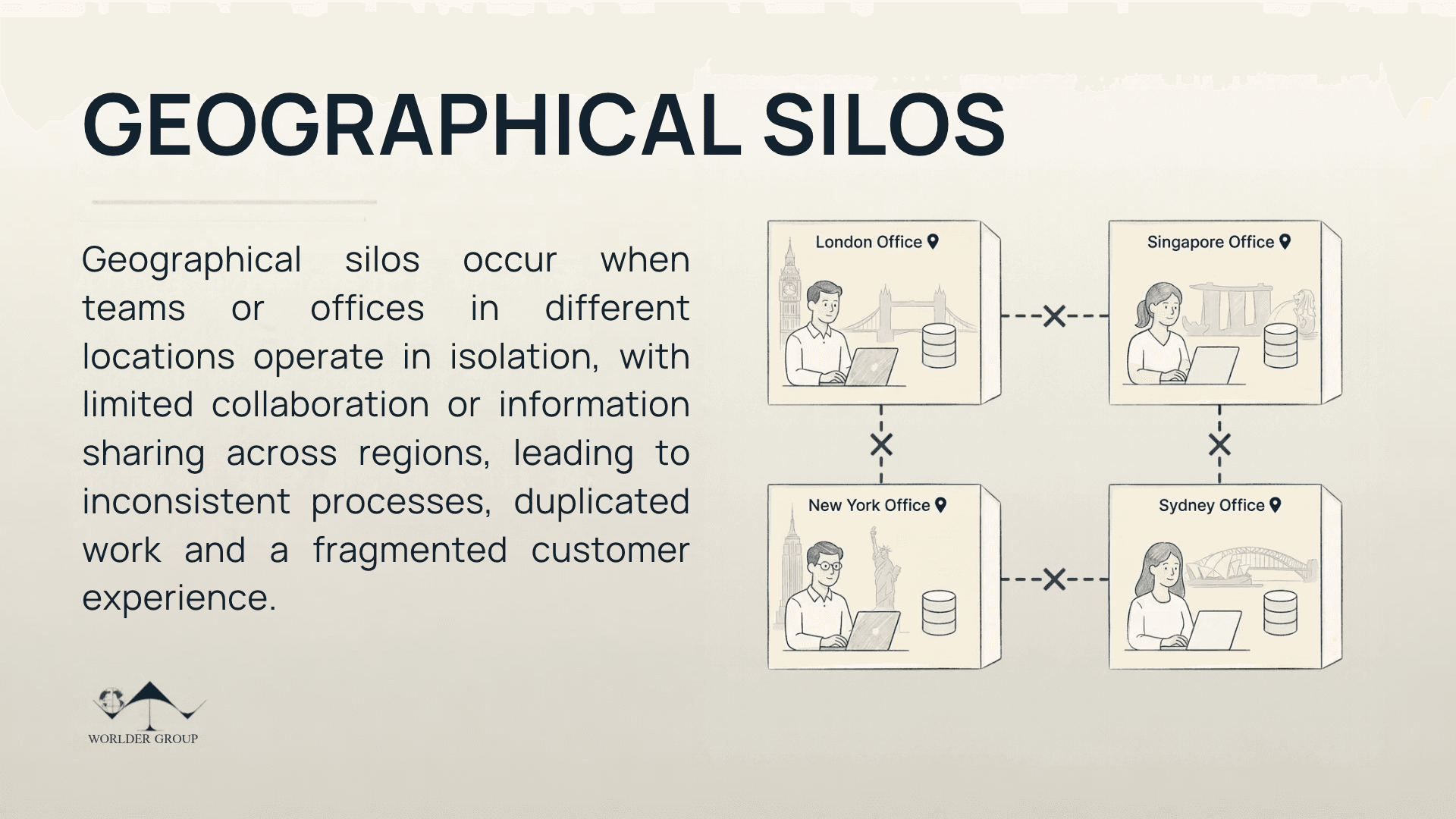
Customer Success Operations cannot function in a silo – it relies heavily on strong integration with sales, marketing, product and engineering teams. However, miscommunication and poor collaboration between these departments are common blockers. Misaligned goals, lack of a unified customer journey strategy and inconsistent feedback loops weaken the data-driven insights that CSOps can provide. For instance, when product teams are unresponsive to customer feedback or when sales focuses solely on acquisition without considering long-term retention, CSOps is left navigating disjointed expectations.
3. Operational Overload and Process Complexity
While structure is essential to scale customer success, too many processes or overly complex systems can have the opposite effect. CSOps teams may face inefficiencies caused by outdated tools, overlapping responsibilities, or poorly defined workflows. This bureaucratic burden not only affects the speed at which teams can respond to customer needs but also contributes to employee dissatisfaction and burnout. Furthermore, a lack of standardised operating procedures makes it difficult to measure performance consistently and evolve strategies based on meaningful data.
4. Limited Career Growth and High Turnover
For CSOps professionals, unclear career progression paths and stagnant compensation can be major pain points. Without visible growth opportunities or recognition of their strategic role, many skilled individuals leave, taking with them valuable institutional knowledge and client relationships. High internal turnover, combined with churn within client organisations, creates a volatile environment where CSOps must continually rebuild trust, re-educate stakeholders and maintain continuity. This instability not only drains productivity but also impedes the development of a mature, value-driven customer success function.
What Are the Best Practices for Implementing CSOps?
1. Align CSOps Goals with Business Objectives
Align CSOps metrics like Net Promoter Score (NPS), customer health scores and churn rates with these objectives. This ensures your operations team isn’t just tracking activity, but driving meaningful impact. Regularly revisiting these goals helps maintain alignment as the business evolves.
2. Standardise Processes Without Losing Flexibility
Scalability in CSOps comes from process consistency. Document standard operating procedures (SOPs) for common workflows such as onboarding, renewals, escalations and feedback collection. Use playbooks and automation to ensure repeatable, high-quality execution across customer segments. However, avoid being overly rigid. Build in room for personalisation based on customer profiles, lifecycle stage, or strategic value to the business. This hybrid approach balances efficiency with a human touch.
3. Invest in Centralised, Reliable Data Infrastructure
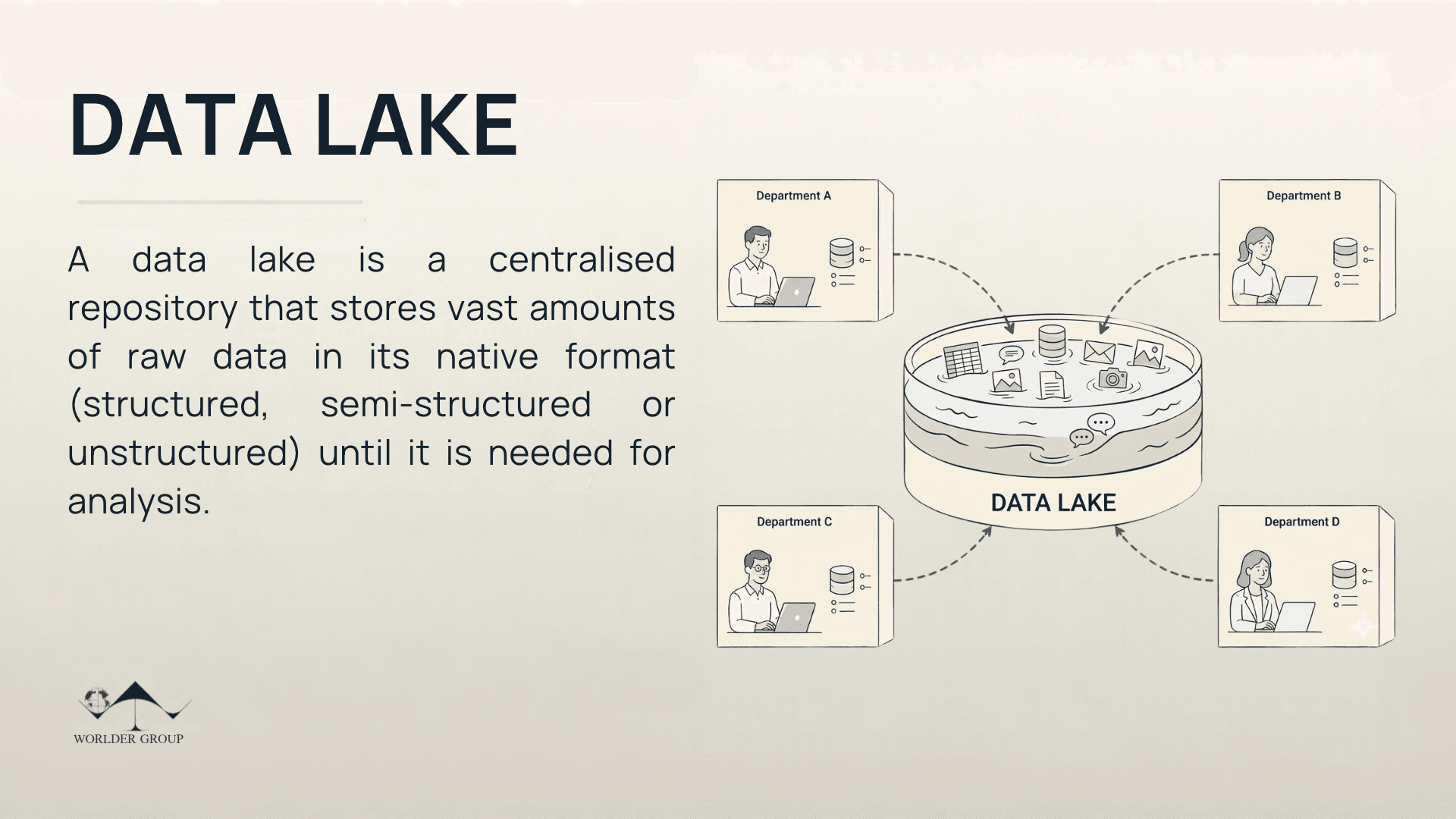
Data is the backbone of CSOps. Success teams rely on accurate, real-time information to make decisions, track performance and personalise customer interactions. To enable this, integrate key systems CRM, product analytics, support tools into a centralised platform or data warehouse. Maintain clean, standardised data formats and ensure accessibility across teams. A single source of truth not only reduces silos but empowers CS teams to act confidently and decisively.
4. Build Strong Collaboration Between Teams
Customer success is a shared responsibility. CSOps works best when tightly integrated with sales, product, marketing and support. Establish regular cross-functional touchpoints to align on feedback loops, customer insights and performance indicators. Equip teams with shared dashboards and visibility into the customer journey. This collaboration not only smoothens handovers and improves consistency but also creates a unified customer experience that feels seamless at every stage.
How Have AI-Driven Operations Transformed CSOps?
1. Smarter, Scalable Onboarding for First-Time Users
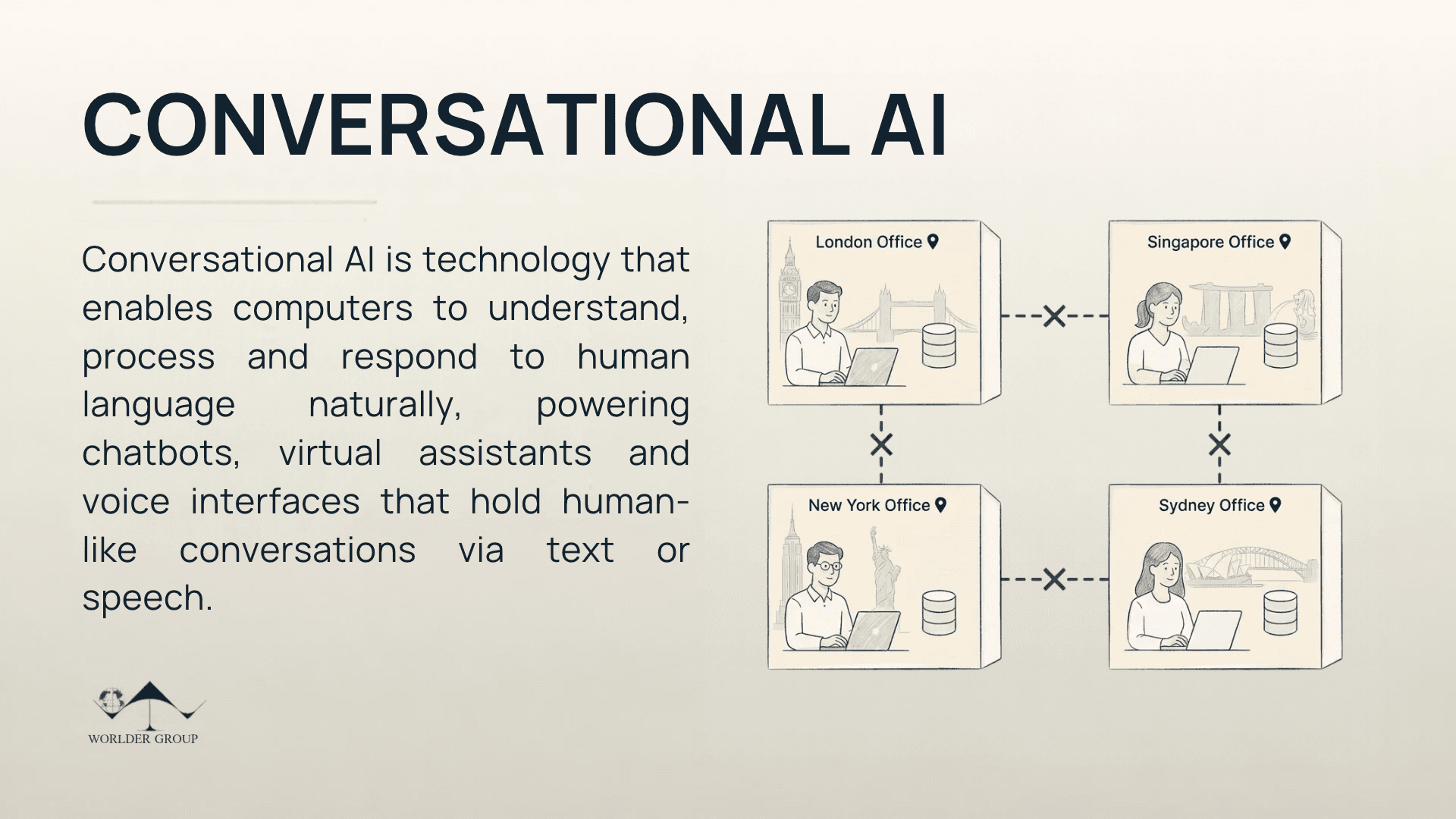
AI-powered tools are streamlining the customer onboarding journey by replacing manual touchpoints with dynamic, automated experiences. From personalised welcome emails to interactive tutorials and self-help portals, AI helps ensure customers feel supported from the moment they sign up. This automation reduces time-to-value, empowers customers with immediate knowledge and sets a consistent tone for their entire relationship with the brand, all while minimising the operational burden on success teams.
2. Proactive Monitoring and Customer Health Insights
AI enables CSOps teams to move from reactive support to proactive success management. By continuously analysing behavioural patterns and product usage metrics, AI can automatically flag early warning signs such as drops in engagement or delayed onboarding milestones. These insights allow teams to intervene before customers encounter friction, reducing churn risk. AI-generated customer health scores further help prioritise outreach and refine engagement strategies, ensuring attention is focused where it’s most needed.
3. Hyper-Personalised Communication at Scale
Maintaining meaningful, individualised relationships across a growing customer base is a key challenge. AI bridges this gap by tailoring communication using customer data such as industry, product usage and past interactions. Automated systems generate customised email campaigns, in-app messages and renewal reminders that feel human and relevant. This scalable personalisation reinforces trust and loyalty, making each customer feel seen and valued without overwhelming your CS team.
4. Automated Workflow and Revenue Expansion Management
AI brings structure and clarity to complex customer success workflows. From auto-assigning tasks to notifying teams about upcoming renewals or upsell opportunities, AI-driven tools streamline internal processes and enhance cross-functional visibility. These systems also track expansion signals like feature adoption or increased usage and recommend actions to capture that growth. The result is a more efficient team that’s better aligned on strategy and more agile in responding to customer needs and revenue opportunities.
Want more insights on RevOps and cost optimisation? Subscribe to our newsletter to get expert tips straight to your inbox!
Read more about how Customer Intelligence and Up-selling can help businesses like yours increase efficiency and drive revenue growth.