Are You Drowning in Business Data?
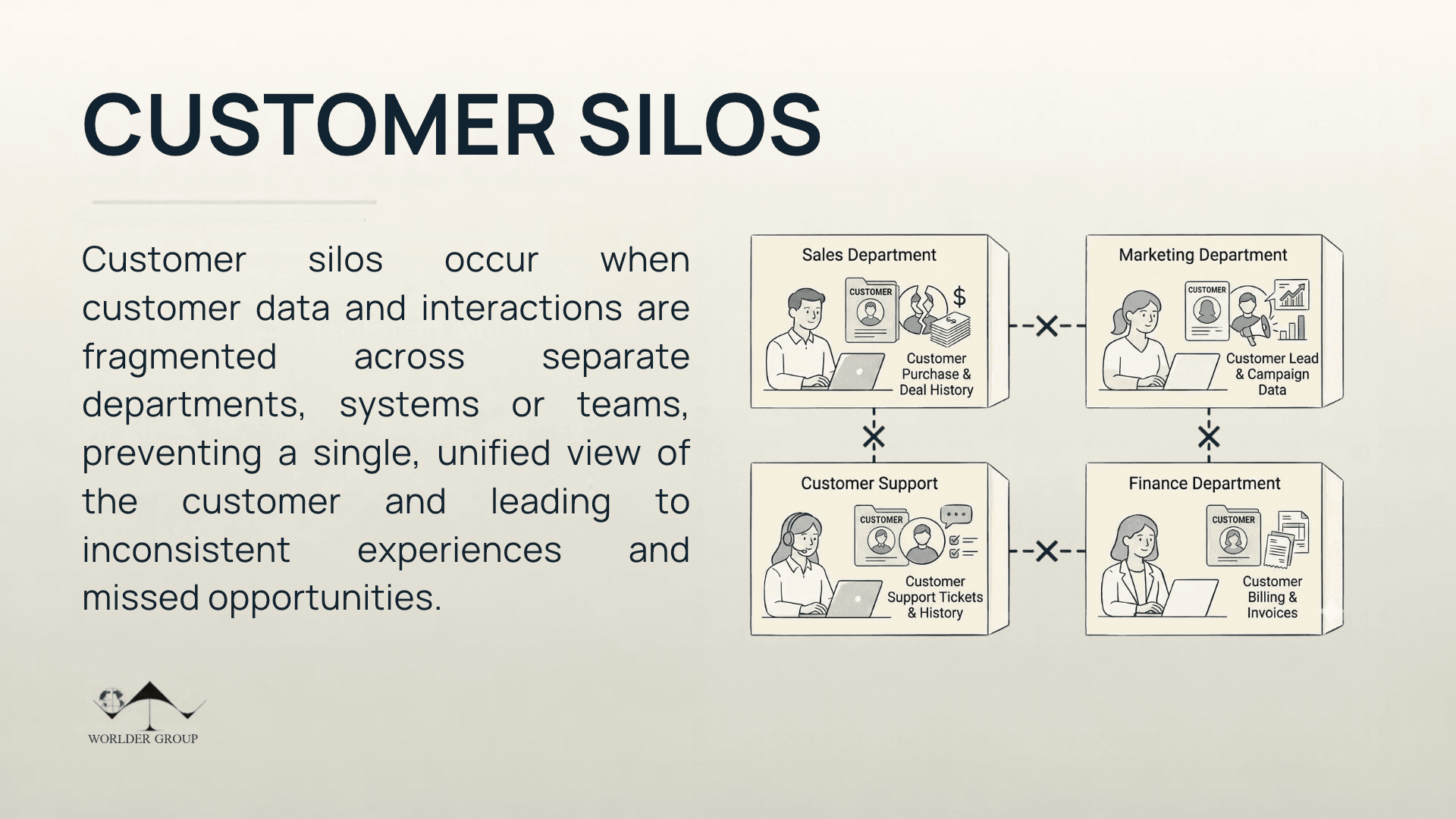
Modern businesses are dealing with an explosion of data ranging from customer behaviour, transaction records to social media feedback and machine logs. However, this data often sits in silos, scattered across departments and systems, making it difficult to analyse and use effectively. If your business is struggling to turn raw data into actionable insights, the problem might not be the data itself, it could be how it is stored.
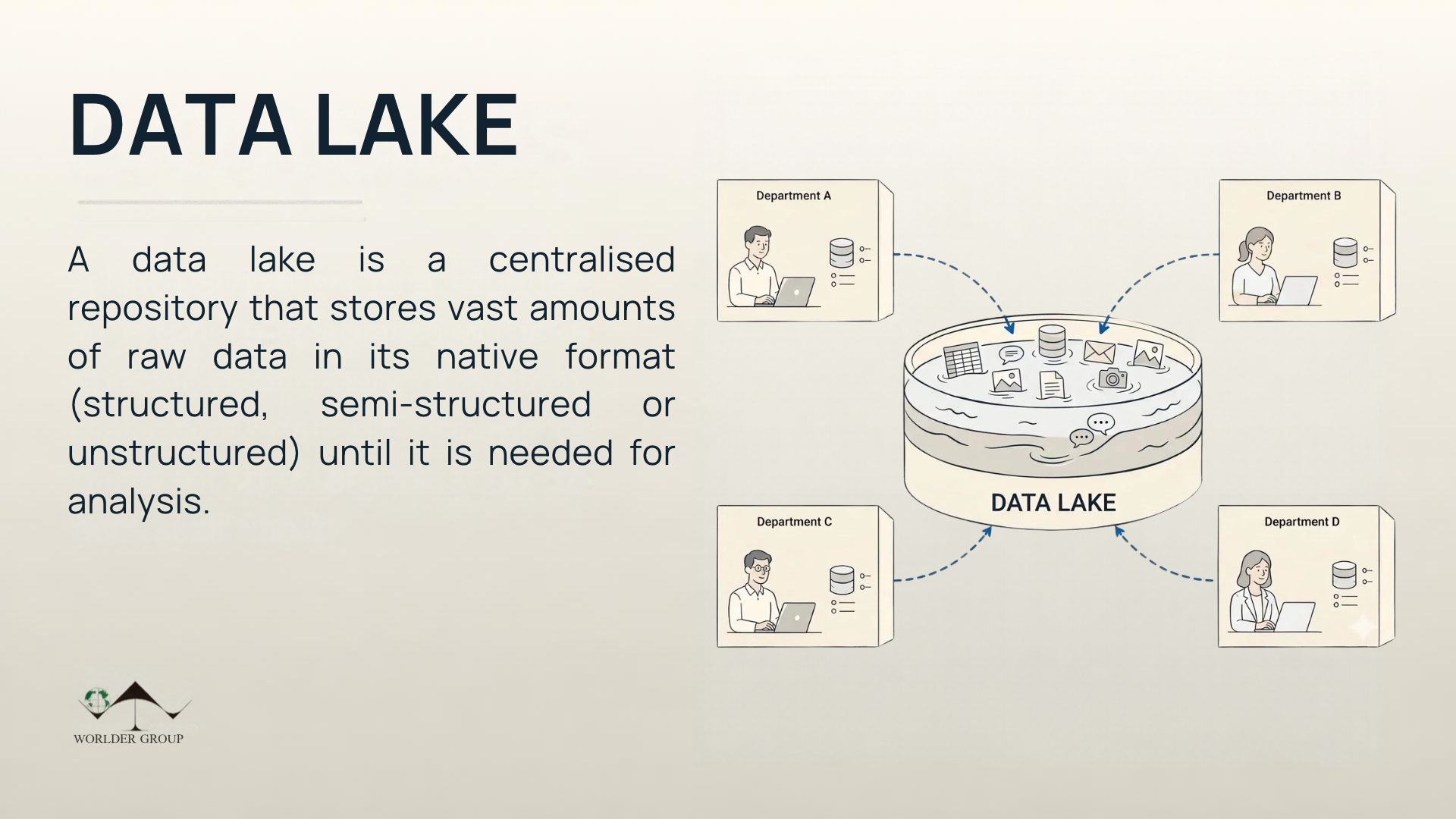
This is where a Data Lake steps in. Unlike traditional storage systems that require data to be cleaned and structured first, a Data Lake allows businesses to store both structured and unstructured data, all in one central, scalable repository.
In this blog, we’ll explore how Data Lakes help businesses harness large volumes of diverse data. You will learn how they support BigOps strategies by improving operational agility, enabling advanced analytics and preparing businesses for AI and automation.
What Are the Key Differences Between Data Lake and Data Warehouse?
| Data Lake | Data Warehouse |
|---|
| Stores raw, unstructured or semi-structured data in its original form. | Stores processed, structured data with a defined format. |
| Highly flexible; suitable for varied, exploratory analysis, including machine learning and big data projects. | Designed for specific, repeatable business reporting and analytics. |
| Cheaper and easier to scale for large data volumes. | Usually more expensive and complex to scale due to the need for organisation and indexing. |
| Data scientists, engineers and analysts needing access to raw or varied data. | Business professionals and analysts need ready-to-use, structured data for reports. |
What Is a Data Lake?
A Data Lake is a central repository where you can store all your structured, semi-structured or unstructured data in its original format. Think of it as a giant digital lake where information from different sources flows in, whether it is spreadsheets, emails, images, social media posts or sensor data. Unlike traditional databases or data warehouses, which require data to be cleaned and formatted before storage, a Data Lake keeps everything as-is.
How Does a Data Lake Work?
Data Lakes use a flat architecture, meaning there is no strict hierarchy of files or folders. Each piece of data is tagged with metadata and given a unique identifier, making it easy to find later. Data can be ingested from a wide range of sources such mobile apps, IoT devices, websites and more often in real time. Most Data Lakes are cloud-based, allowing organisations to scale up or down as their needs change.
When it is time to analyse the data, you can use a variety of tools to process, query or visualise it. This flexibility supports everything from simple reporting to advanced analytics, machine learning and AI.
What Are the Benefits of a Data Lake?
Here are some of the key benefits organisations can gain from using a data lake:
1. Separation of Storage and Compute
Data lakes allow storage and computing power to be scaled independently, so you can increase capacity or processing power as needed without unnecessary cost. This flexibility is a major reason why data lakes are often more cost-effective than traditional systems.
2. Integration of Diverse Data for Advanced Analytics
Data lakes can bring together information from many different sources and formats such as structured tables, social media posts or images. Analysing and extracting valuable business insights from them becomes easier. This versatility supports everything from business intelligence to machine learning and predictive analytics.
3. Highly Scalable and Cost-Effective Storage
The ability to store enormous amounts of data (ranging from terabytes to petabytes) makes them affordable. They are well-suited to handle the rapid growth in data volumes and typically cost less than traditional data warehouses.
4. Support for Multiple Data Sources and Structures
Data lakes are designed to store data from a wide variety of sources and in any structure, including structured, semi-structured and unstructured formats. Intelligent search and retrieval tools make it easy to find the information you need, regardless of its original format.
What Are The Challenges of Implementing a Data Lake?
Here are some of the common challenges organisations may face when adopting a data lake:
1. Data Governance and Compliance
Ensuring proper data governance is crucial. Without strong rules and controls, a Data Lake can quickly become messy and unreliable. This is called a “data swamp”. Organisations must also meet strict compliance requirements, such as GDPR, to protect sensitive information and manage who can access what data.
2. Complex Data Integration
Bringing together data from many different sources is complicated. Data arrives in various formats and structures, making it difficult to combine and standardise. Effective integration processes are essential to maintain consistency and make the data useful across the business.
3. Technical Complexity and Skills Gap
Setting up and managing a Data Lake requires advanced technical expertise. From designing the infrastructure to maintaining performance, organisations need skilled professionals who understand both new and legacy systems. Without the right talent, the Data Lake may not deliver its full value.
4. Performance and Scalability Issues
As the Data Lake grows, maintaining fast access and efficient operations becomes harder. Large volumes of data can slow down queries and increase costs unless the system is carefully optimised for performance and scalability.
What Are the Best Practices for Implementing a Data Lake?
Here are some of the best practices organisations can follow to make their data lake effective and sustainable:
1. Careful Planning
Begin by clearly defining what your data lake needs to achieve, what types of data it will store, how often data will be added and who will need access. Also, consider any rules or regulations you must follow.
2. Choosing the Right Tools
Select tools and technologies that fit your budget, expected data volume and business requirements. The right choice will make your data lake easier to manage and scale as your organisation grows.
3. Ensuring Data Quality & Governance
Put strong processes in place to keep your data accurate, organised and secure. This includes using data catalogues, monitoring data quality and setting clear rules for who can access what.
4. Optimising Data Ingestion & Performance
Streamline how data enters your data lake and make use of techniques like parallel processing to speed up access and analysis. This helps avoid bottlenecks and ensures users get the information they need quickly.
How Have AI-Driven Operations Transformed Data Lakes?
AI has significantly enhanced the way organisations use data lakes, making them more intelligent, efficient and valuable for business outcomes. Here are some of the key transformations:
1. Better Predictive Analytics & Decision-Making
AI models analyse vast historical datasets stored in data lakes to forecast trends (e.g., equipment failures, sales patterns) with high accuracy. For example, healthcare providers can use AI to predict patient risks, while manufacturers predict machinery maintenance needs, reducing downtime.
2. Automated Data Processing & Governance
AI automates data ingestion, tagging and governance tasks. Tools like AWS Lake Formation and Azure Purview use AI to classify data, enforce compliance and maintain security, turning raw data lakes into organised, secure repositories.
3. Real-Time Insights & Personalisation
AI enables real-time analysis of streaming data (e.g., IoT sensor feeds, customer interactions). Retailers use AI-driven recommendation engines to personalise shopping experiences, while banks detect fraudulent transactions instantly.
4. Advanced Pattern Recognition in Unstructured Data
AI-powered NLP and computer vision analyse unstructured data (text, images, videos) in data lakes. For instance, healthcare AI scans medical images for abnormalities and financial institutions use NLP to assess customer sentiment from emails or social media. These AI-driven capabilities have made data lakes dynamic tools for innovation, efficiency and competitive advantage across industries.
Want more insights on RevOps and cost optimisation? Subscribe to our newsletter to get expert tips straight to your inbox!
Read more about how Data Warehouse and Content Management Relationship (CMR) can help businesses like yours increase efficiency and drive revenue growth.