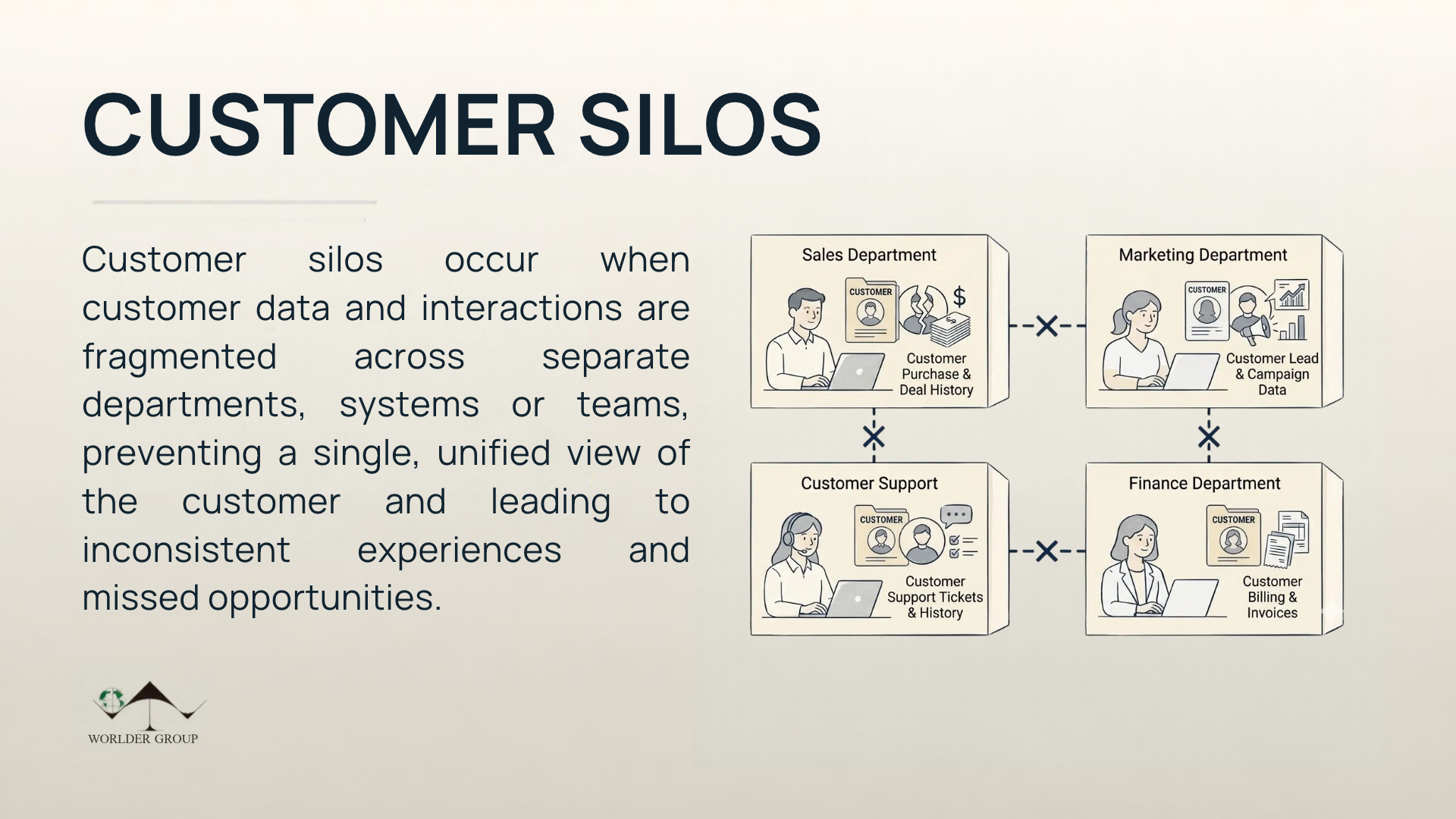
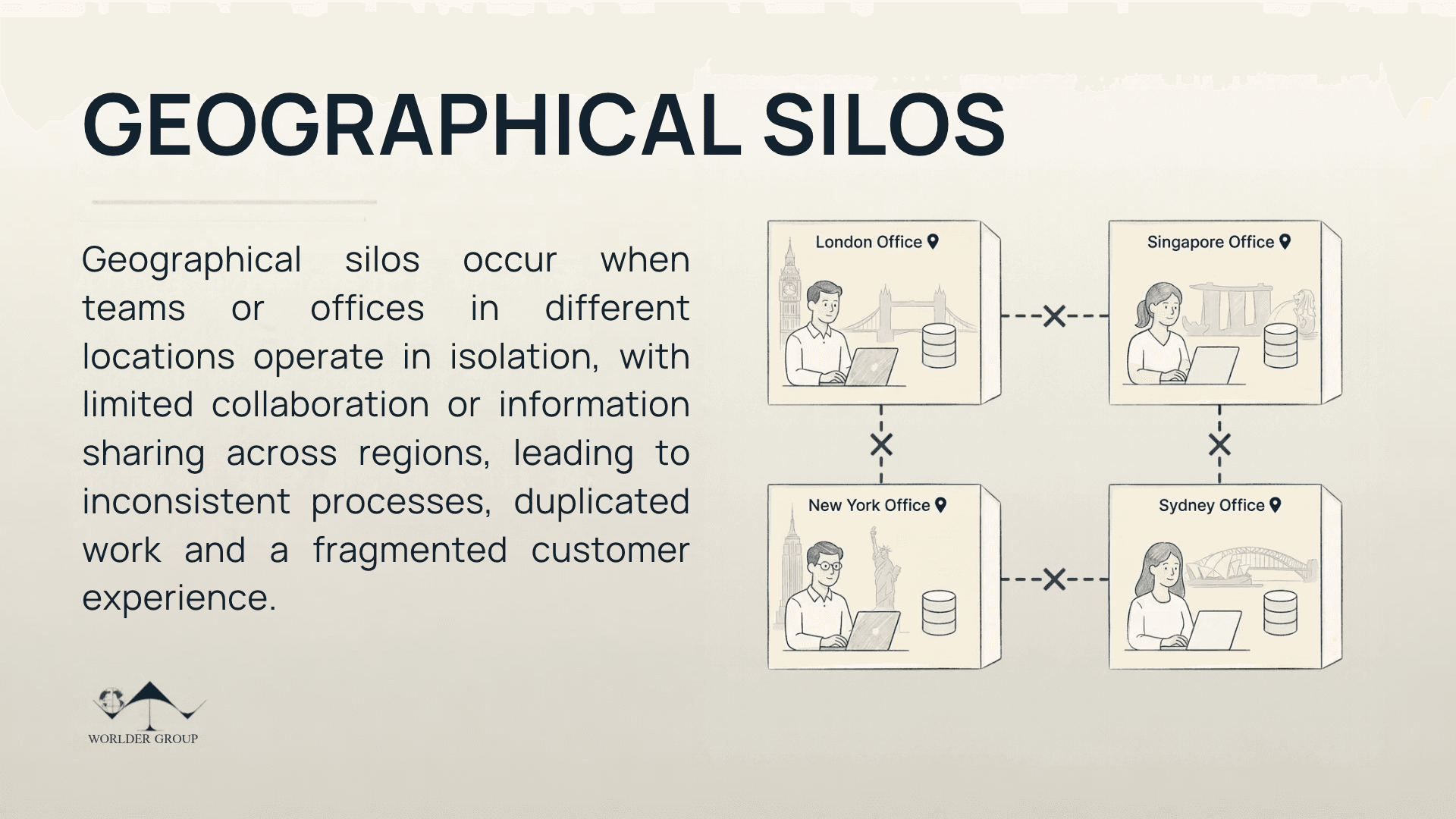
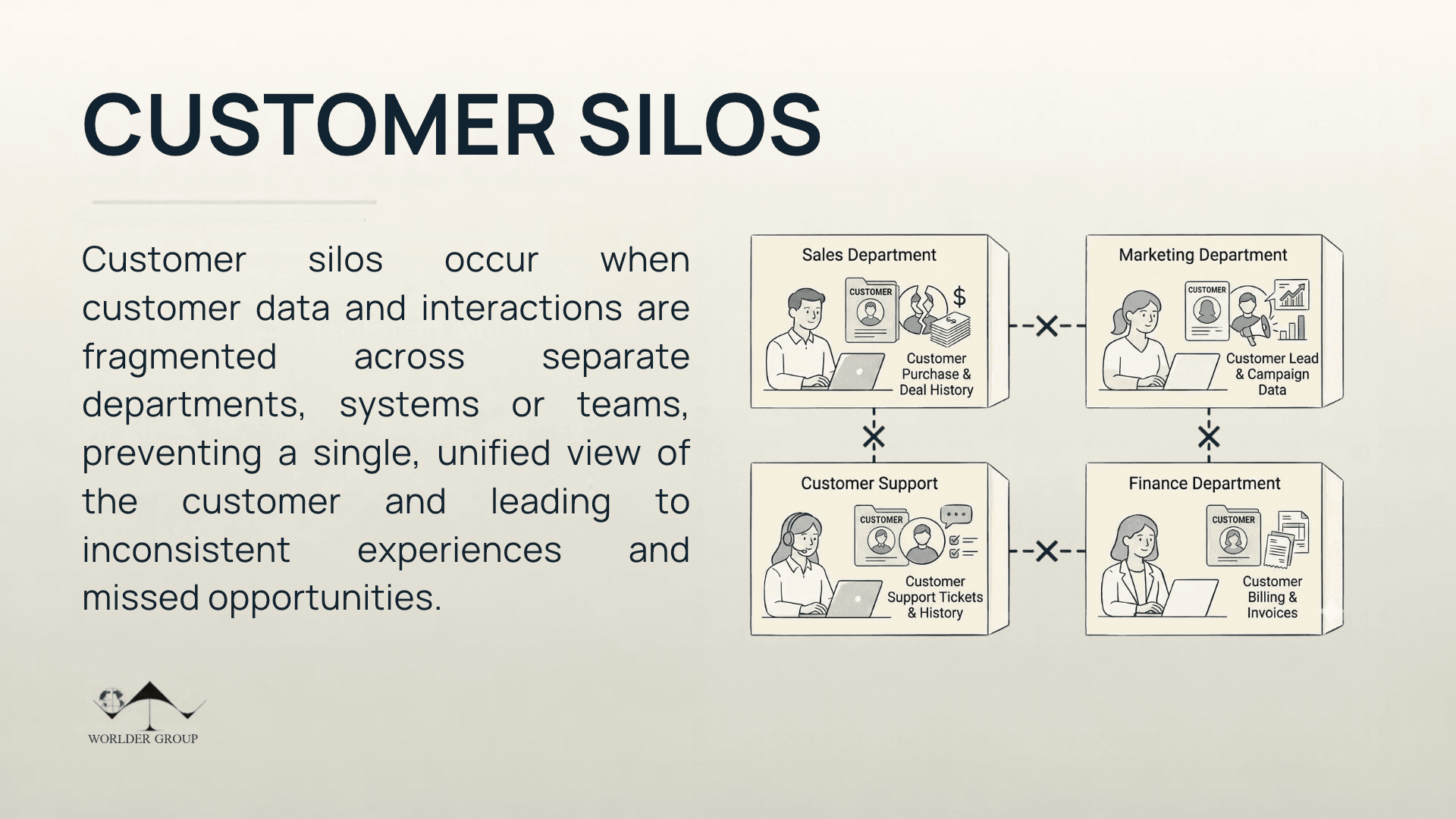
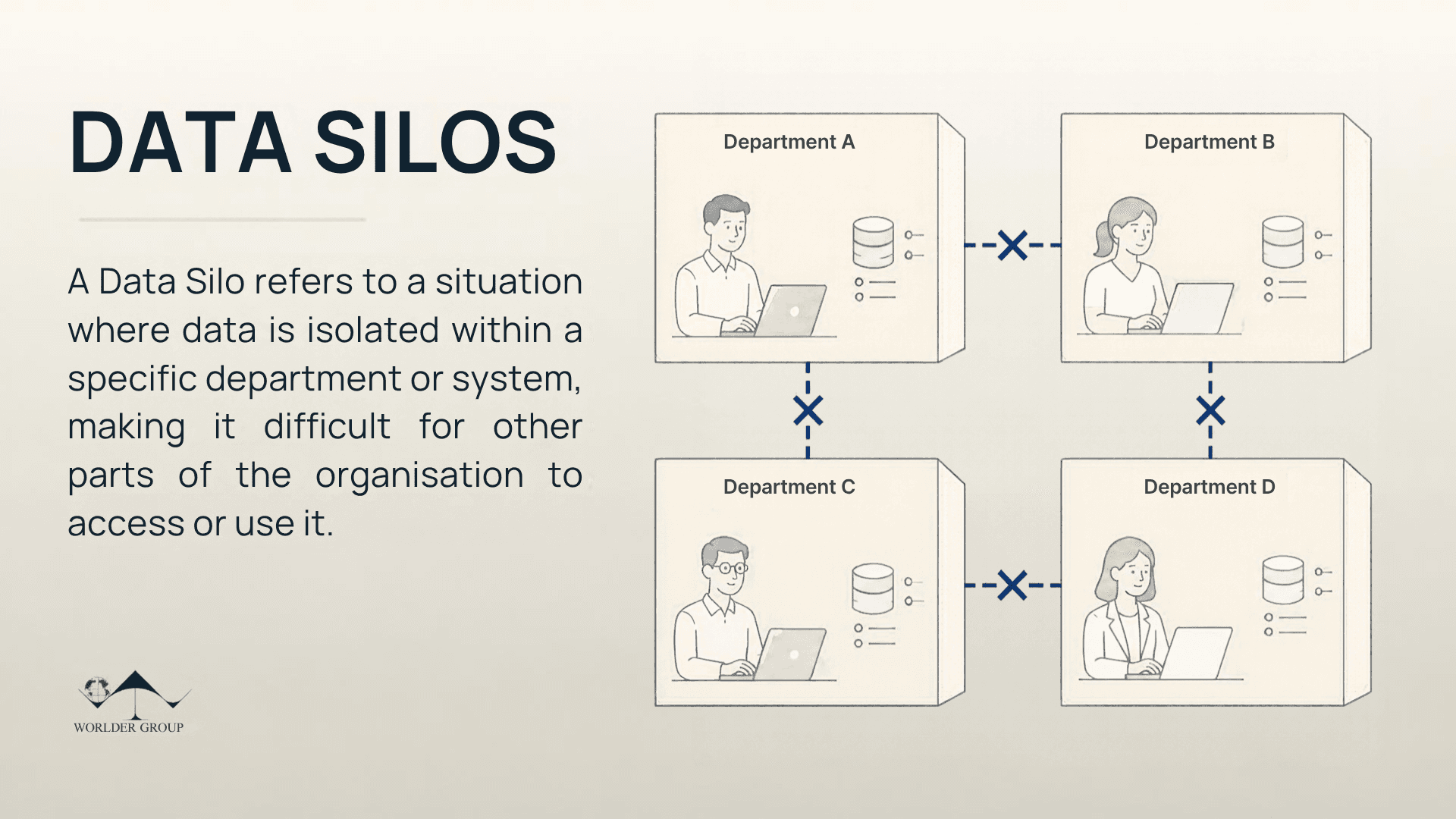
Many organisations invest heavily in technology and structure, yet still find that important information never reaches the right people. Emails go unanswered, updates get lost, and teams end up working in isolation. If your business is struggling to share insights, coordinate projects or maintain a unified vision, the issue may not be your tools but it could be communication silos.
In this blog, we’ll explore what communication silos are, how they emerge, and what makes them so persistent. We’ll also look at the real challenges they present, highlight practical steps to dismantle them, and explore how AI is helping modern businesses foster open, collaborative environments.
What Are the Key Differences Between Communication Silos and Cross-Functional Communication?
| Communication Silos | Cross-Functional Communication |
|---|
| Communication is mainly shared within a specific team or department, helping them stay focused on their tasks and goals. | Communication flows openly across departments, supporting shared understanding and broader collaboration. |
| Teams may develop strong internal processes and identity by working independently. | Teams work together across functions, drawing on each other’s expertise to solve problems and drive innovation. |
| Information is typically structured around the needs and goals of individual departments. | Information is aligned with overall business goals and shared across groups for better coordination. |
| Decision-making can reflect the deep understanding a department has of its own domain. | Decision-making considers multiple perspectives and is shaped by insights from across the organisation. |
What Are Communication Silos?
Communication silos refer to isolated pockets of information-sharing within an organisation. These are usually departments, teams or individuals that mainly communicate within their own circle and don’t engage regularly with the wider business. As a result, essential updates and insights fail to reach other parts of the organisation.
Much like the physical grain silos used in agriculture, communication silos keep knowledge confined. While they might form unintentionally, they often become embedded in organisational culture through outdated structures, departmental priorities or misaligned tools.
How Do Communication Silos Take Shape Inside Organisations?
Communication silos tend to form around familiar organisational structures or habits. Departmentalisation is a common driver where teams may become highly focused on their own goals without considering broader objectives or sharing insights with other units. Hierarchical models can further restrict flow, where information stays confined to certain levels unless explicitly escalated.
Technology also plays a role. If different teams use incompatible communication or project management tools, it creates barriers to sharing and visibility. Add in geographical distance, cultural differences, or unclear communication protocols, and you have an environment where collaboration becomes limited and knowledge remains localised. In short, silos work by narrowing the lens through which people access and act on information.
What Organisations Gain by Recognising Communication Silos?
Here are some of the benefits organisations may experience from having silos in place:
1. Creates Awareness of Information Gaps
Recognising communication silos allows organisations to understand where information flow may be restricted or inconsistent. Once identified, these gaps can be addressed more effectively, ensuring that all employees, regardless of department or location, have access to timely and relevant updates.
2. Encourages Targeted Collaboration
When communication silos are acknowledged, it becomes easier to bring together the right people across departments. This targeted collaboration helps reduce duplication of effort and enables teams to align more closely on shared goals, leading to more efficient project delivery and better use of resources.
3. Builds a More Connected Workplace Culture
By identifying where silos exist, leaders can take steps to promote a culture of openness and inclusion. Highlighting cross-team success stories or featuring employees from different departments in internal communications helps teams feel more connected to the wider business and to one another.
4. Supports Better Decision-Making
Understanding communication silos reveals where critical insights may be underutilised. With improved transparency and access to diverse viewpoints, decision-makers are better equipped to make informed, balanced choices that benefit the entire organisation, not just one function or team.
What Are the Challenges of Communication Silos?
Here are some of the common challenges businesses face with communication silos:
1. Reduced Productivity
When information is trapped within a single team, other departments may spend unnecessary time recreating work or searching for missing details. Tasks take longer, timelines stretch, and collaboration slows down.
2. Poor Decision-Making
Without access to complete information, teams make decisions based on partial context. This can lead to misaligned priorities, overlooked risks, or disjointed strategies.
3. Increased Costs
Redundancies, delays and inefficiencies caused by silos often translate into increased operational expenses.
4. Decreased Employee Morale
Employees may feel left out of the loop or undervalued when they’re not informed about company initiatives. Over time, this can result in disengagement and lowered trust.
Best Practices to Break Down Communication Silos
Here are some of the best practices organisations can adopt to manage silos effectively:
1. Promote a Transparent and Inclusive Culture
The first step in addressing communication silos is to build a culture where openness and inclusivity are part of everyday work. Leaders play a key role by regularly sharing updates across departments and encouraging cross-team conversations. When information flows freely from the top down and laterally between teams, it helps create a more unified workplace where everyone feels informed and involved.
2. Form Cross-Functional Teams for Shared Goals
Bringing people from different departments together on projects encourages collaboration and visibility. These cross-functional teams help individuals understand each other’s roles, challenges, and ways of working. As team members gain a broader perspective, they not only solve problems more creatively but also develop stronger relationships that continue beyond the project.
3. Use Centralised Communication Tools and Training
A centralised platform for messaging, file sharing, and project updates helps ensure everyone stays on the same page. But tools alone aren’t enough—training employees in active listening, constructive feedback, and communication etiquette is just as important. Together, technology and skill-building support a more connected and responsive work environment.
4. Strengthen Everyday Connections Across Teams
Simple, everyday practices can go a long way in reducing silos. Holding regular small-group check-ins, highlighting different departments in internal newsletters, or celebrating team achievements company-wide makes people feel seen and valued. These efforts build trust, improve morale, and encourage employees to communicate more openly beyond their immediate teams.
How AI Can Help Solve Communication Silos?
Here are some of the ways AI-driven operations are reshaping silos in modern organisations:
1. Spotting Gaps Before They Grow
AI tools can scan patterns across emails, chats, and platforms to detect where communication is dropping off or where collaboration between departments is limited. This allows leaders to spot potential silos early and take action before they impact teamwork or project outcomes.
2. Automating Cross-Team Updates
AI-powered assistants can automatically share key updates across teams—like sending summaries of meetings, highlighting upcoming deadlines, or pointing out related work happening in other departments. This keeps everyone in the loop without extra effort.
3. Making Communication Easier to Understand
AI can help simplify long conversations by summarising messages, emails, or documents. It ensures that important details are not missed, especially for those who weren’t present in a meeting or are catching up later.
4. Supporting Inclusion and Wider Participation
By offering features like language translation, voice-to-text, and highlighting lesser-heard contributions, AI helps make workplace communication more inclusive. This ensures that different voices are recognised and that communication isn’t limited to just a few teams or individuals.
Want more insights on RevOps and cost optimisation? Subscribe to our newsletter to get expert tips straight to your inbox!
Read more about how Process Silos and Information Silos can help businesses like yours increase efficiency and drive revenue growth.