Is Distance Creating Disconnects in Your Organisation? Breaking Down Geographical Silos.
Most organisations operate across multiple cities, regions, or even countries. While this brings opportunities for growth, it can also create challenges when different offices or teams operate in isolation. When information, resources, or decision-making are separated based on physical location, it results in Geographic Silos.
In this blog, we will explore what Geographic Silos are, how they work, and their impact on organisations. You will learn about the benefits and challenges they bring, the best practices to manage them effectively, and how AI-driven operations are transforming the way businesses overcome these silos.
What Are the Key Differences Between Geographic Silos and Organisational Silos?
| Geographic Silos | Organisational Silos |
|---|
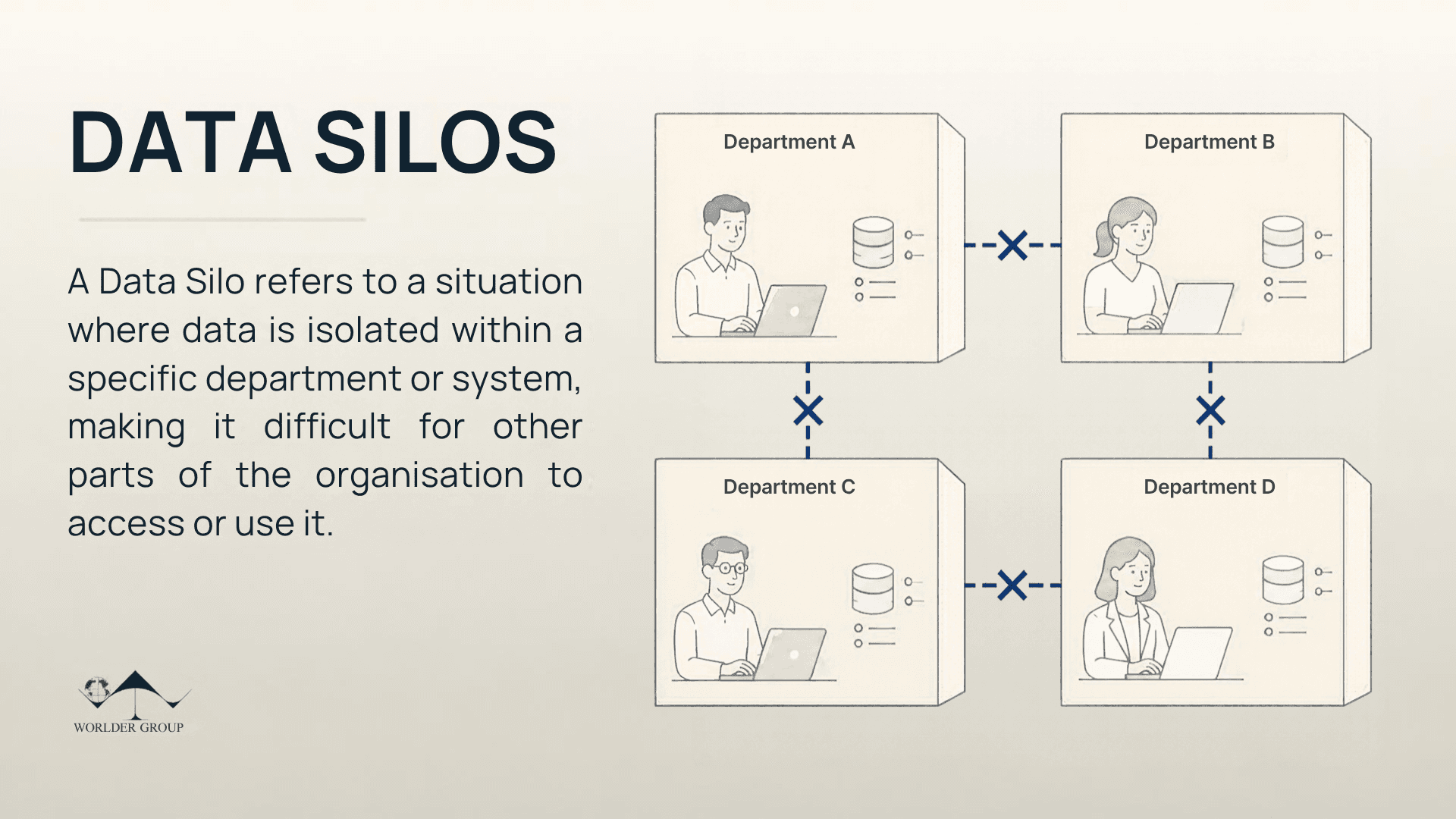
| Arise when teams are separated by location such as cities, regions, or countries. | Occur when departments such as sales, marketing, or IT work in isolation from each other. |
| Highlight regional expertise and localised decision-making tailored to market needs. | Highlight specialised functions and roles within different departments. |
| Shaped by distance, culture, time zones, and local priorities. | Shaped by internal structures, hierarchy, and departmental goals |
| Broken down through cross-regional collaboration, cultural exchange, and digital tools. | Broken down through inter-departmental communication, shared processes, and integrated workflows. |
What Are Geographic Silos?
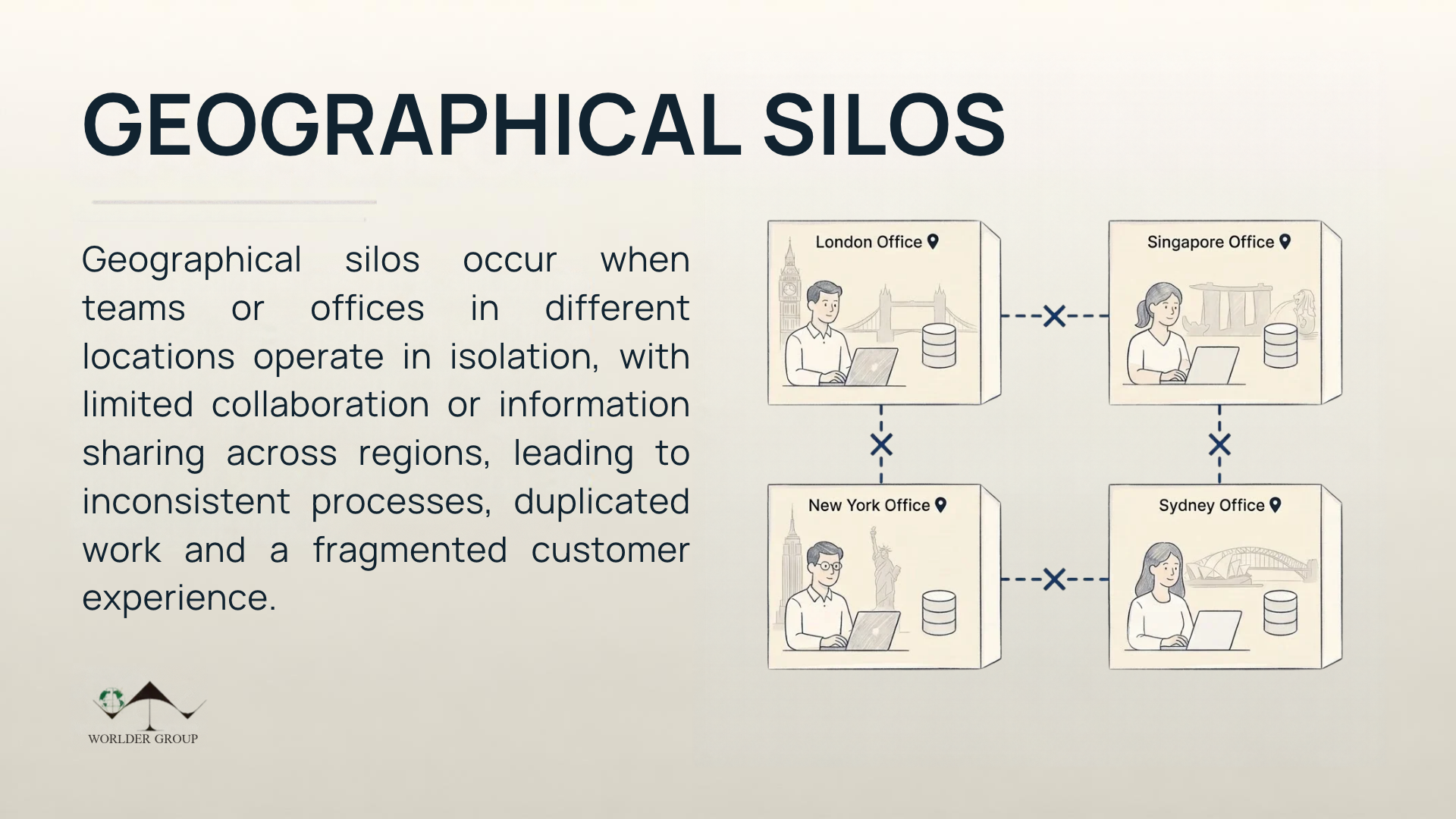
Geographic Silos occur when teams in different locations work independently with limited sharing of information or collaboration. For example, a sales team in London may not have the same visibility of customer data as their counterparts in Singapore. Over time, this separation can lead to duplication of work, inconsistent strategies, and slower decision-making.
How Do Geographic Silos Work?
Geographic Silos form when distance, time zones, and regional priorities create barriers between teams. While each office may function well on its own, collaboration across locations becomes less frequent. This results in fragmented communication, duplicated efforts, and inconsistent customer experiences.
Often, these silos are unintentional, driven by natural challenges such as language differences, local regulations, or differing market demands. However, if left unaddressed, they can limit organisational agility and competitiveness.
What Are the Benefits of Geographic Silos?
Here are some of the benefits organisations may experience from having silos in place:
1. Local Market Focus
Geographic silos enable teams to concentrate on the unique demands of their region. This allows businesses to adapt products, services, and strategies to suit local customer preferences, cultural expectations, and legal requirements. It creates a tailored approach that resonates with the target audience more effectively than a one-size-fits-all model.
2. Specialised Expertise
Each regional team develops knowledge and skills relevant to its environment. For example, a North American branch may excel at managing large-scale distribution networks, while an office in Asia might focus on supply chain agility. This localisation ensures that expertise is built around practical realities and strengthens the organisation’s global capabilities.
3. Faster Regional Decision-Making
By operating within their own structures, regional teams can make quick decisions without waiting for central approval. This agility allows them to respond to market shifts, regulatory changes, or local crises in real time. It reduces dependency on global leadership for every operational matter, helping businesses remain competitive in dynamic markets.
4. Stronger Regional Identity
Working within geographic silos often builds a sense of belonging and pride among employees. A strong regional culture encourages collaboration within the local team, improves morale, and enhances employee engagement. In turn, this sense of identity can lead to better performance and greater commitment to the organisation’s success.
What Are the Challenges of Implementing Geographic Silos?
Here are some of the common challenges businesses face with geographic silos:
1. Limited Knowledge Sharing
When regions work in isolation, valuable insights often remain confined to one location. A solution developed in one office may never reach another, resulting in missed opportunities for collective learning and innovation. Over time, this can fragment organisational knowledge.
2. Duplication of Efforts
Separate regional structures can lead to the same projects or research being carried out multiple times. Without shared communication channels, teams may unknowingly duplicate work, wasting time and resources that could otherwise be streamlined through collaboration.
3. Inconsistent Customer Experience
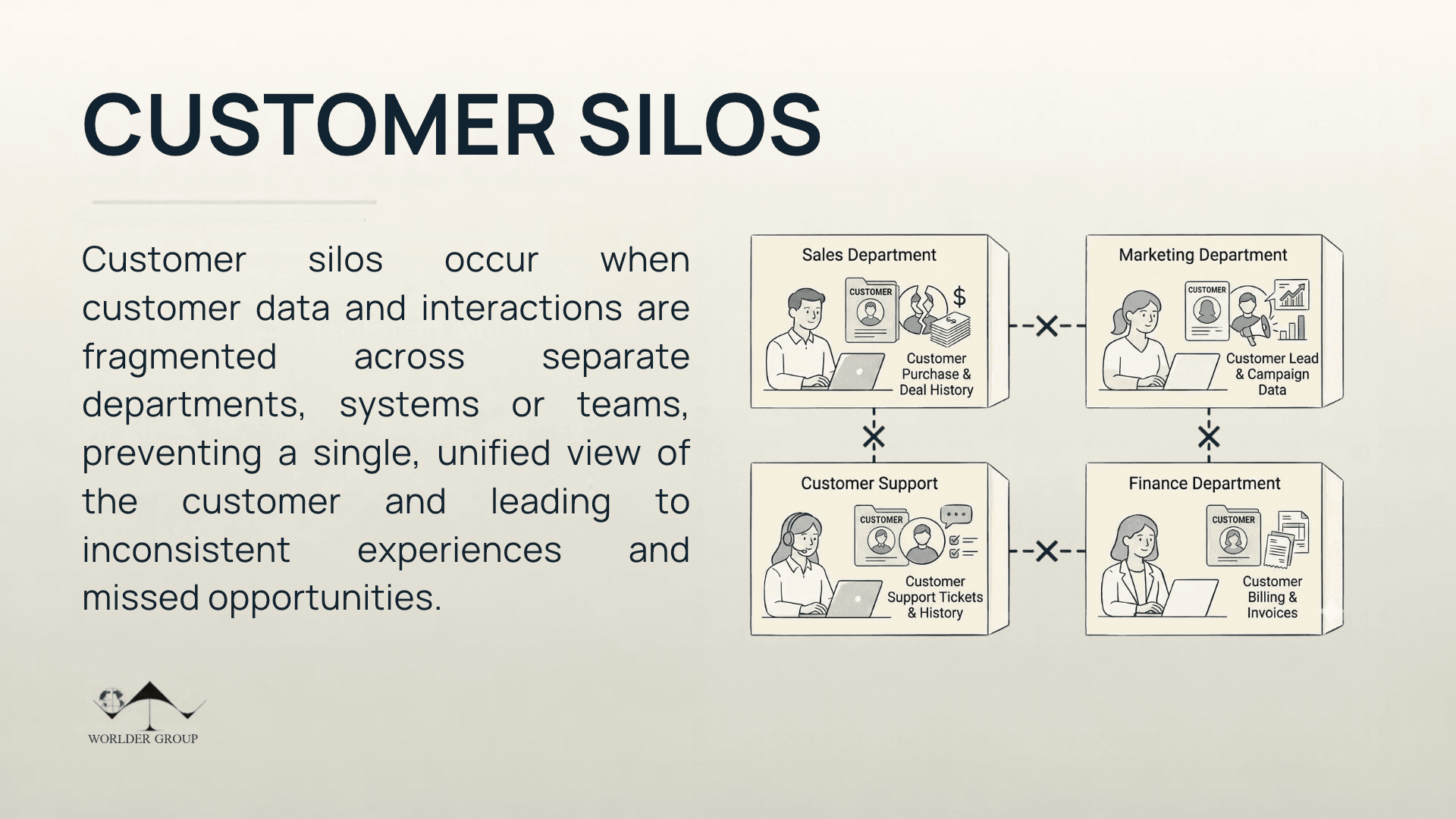
Customers interacting with multiple regional offices may encounter different approaches, messaging, or levels of service. This inconsistency can make the organisation appear disjointed, even if each office is performing well locally. Ensuring a unified brand experience across geographies becomes more challenging.
4. Slower Global Strategy Alignment
With each region prioritising its own needs, rolling out a global initiative can take longer. Strategic goals may be interpreted differently, creating gaps in alignment. This slows the organisation’s ability to act as one cohesive unit and can dilute the impact of global campaigns or decisions.
What Are the Best Practices for Avoiding Geographic Silos?
Here are some of the best practices organisations can adopt to manage silos effectively:
1. Invest in Collaboration Tools
Geographic silos can be avoided when teams remain connected despite the distance. Digital platforms such as project management tools, video conferencing, and shared document systems make it easier for employees across different locations to access the same information. These tools help reduce delays, create transparency, and ensure that regional teams stay aligned with overall business goals.
2. Encourage Cross-Regional Projects
One of the most effective ways to bridge geographic silos is to assign projects that bring together talent from multiple regions. For example, a product launch could involve insights from both European and Asian teams to balance global appeal with local preferences. Such collaboration not only strengthens teamwork but also helps transfer knowledge and reduce duplication of effort.
3. Standardise Key Processes
While every region needs flexibility to adapt to its local environment, having standardised processes for critical functions like reporting, compliance, or customer support ensures consistency. This balance between global standards and local adaptation allows organisations to maintain a unified brand image while still catering to regional needs effectively.
4. Promote Cultural Exchange
Geographic silos often mean that teams build strong identities within their region, but this can create gaps in mutual understanding. Encouraging cultural exchange through virtual knowledge-sharing sessions, regional presentations, or temporary staff rotations helps break down barriers. It also fosters respect for diverse practices and strengthens collaboration across locations.
How Have AI-Driven Operations Transformed Geographic Silos?
Here are some of the ways AI-driven operations are reshaping silos in modern organisations:
1. Intelligent Knowledge Sharing
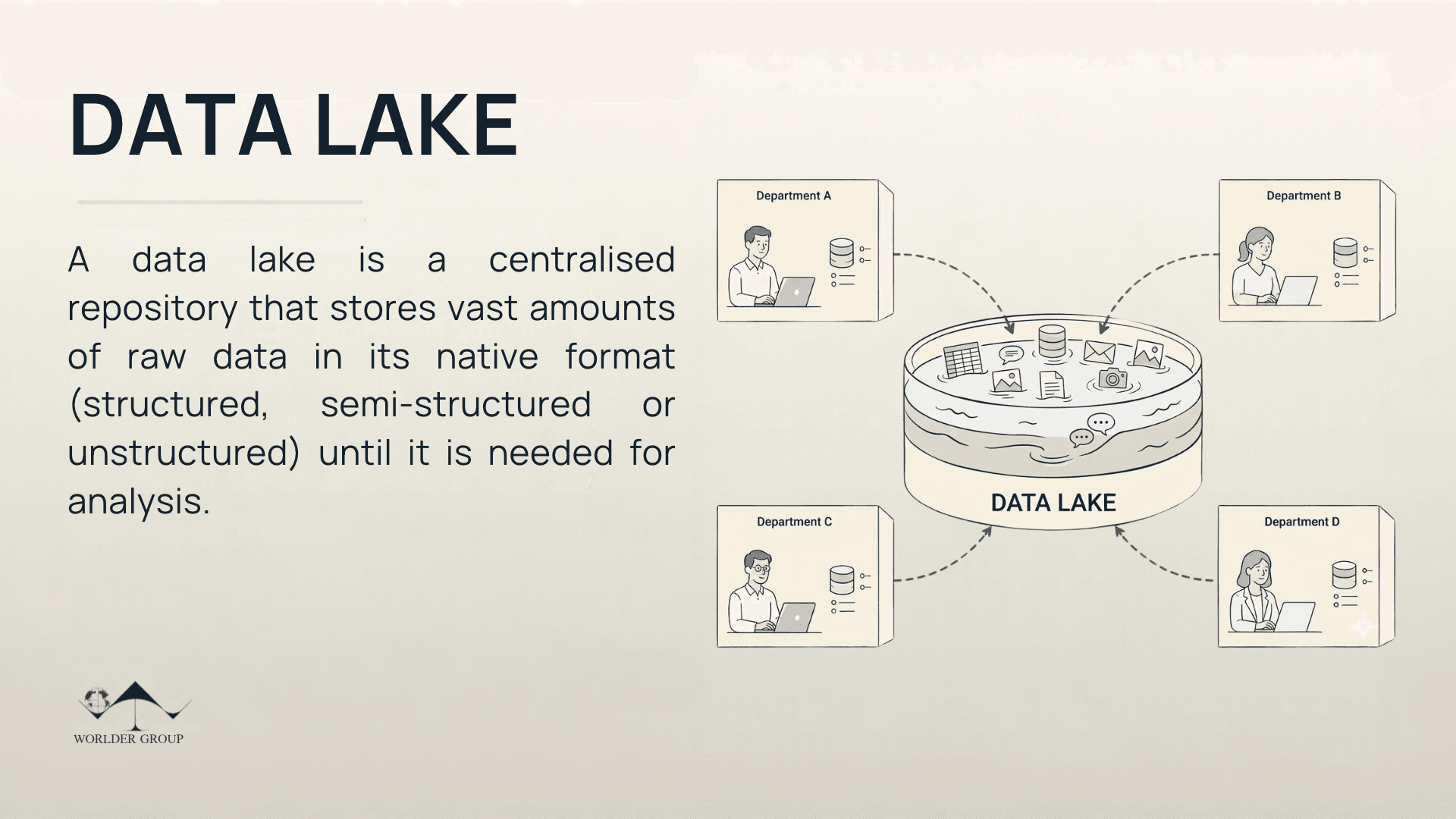
AI platforms are designed to capture, organise, and share information across regions automatically. Instead of relying on manual updates or reports, these systems ensure that insights from one office are instantly available to another, no matter the location. This eliminates the problem of knowledge being locked within one region and helps teams make informed decisions based on a broader, global perspective.
2. Automated Translation and Communication
One of the biggest challenges of geographic silos is language and cultural differences. AI-driven translation tools now allow teams to collaborate seamlessly by converting documents, chat messages, or even real-time conversations into multiple languages. This reduces misunderstandings, strengthens relationships across teams, and enables smoother communication in organisations that operate in diverse markets.
3. Predictive Analytics for Global Strategy
AI does more than just share information; it analyses data from multiple regions and highlights patterns that humans may overlook. For instance, sales trends in Asia might signal emerging opportunities in Europe. By connecting these dots, predictive analytics helps organisations design strategies that balance local needs with global ambitions, making decision-making both faster and more accurate.
4. AI-Powered Virtual Collaboration
Managing time zones, meetings, and workflows across regions can be complex. AI assistants simplify this by automatically scheduling cross-border meetings at optimal times, monitoring project timelines, and alerting teams when duplication occurs. These tools act as digital coordinators, ensuring regional teams stay aligned while reducing the administrative burden on employees.
Want more insights on RevOps and cost optimisation? Subscribe to our newsletter to get expert tips straight to your inbox!
Read more about how Supply Chain Silos and Customer Silos can help businesses like yours increase efficiency and drive revenue growth.